Introduction
Have you ever noticed spots or flashes of light in your vision? Sometimes, these are harmless. However, when seeing spots or lights becomes a medical emergency, quick action is important. These symptoms can signal serious eye problems. For example, they may mean you need urgent care from an eye specialist. In this blog, you will learn what these symptoms mean, common causes, and when to seek help. We will also cover how doctors diagnose these issues and what treatments you can expect. Knowing when to see a doctor for eye symptoms can protect your vision.
What Are Visual “Spots” and “Lights”?
Visual “spots” are small shapes or shadows that drift across your sight. People often call them floaters. On the other hand, “lights” are sudden flashes or flickers. These may look like lightning or camera flashes. Usually, floaters move as your eyes move. Flashes often appear in the side of your vision. While both can be normal, they sometimes point to eye emergencies. For example, a sudden increase in floaters or flashes may signal a problem inside your eye.
Common Causes of Seeing Spots or Lights
Many things can cause you to see spots or lights. Some are harmless, but others need quick care. Here are common causes:
Sometimes, these symptoms come and go. However, if you notice sudden changes, it could be an eye emergency. According to the American Academy of Ophthalmology, sudden flashes or many new floaters need urgent attention.
Warning Signs: When Is It a Medical Emergency?
Not all spots or lights are dangerous. Still, certain warning signs mean you should seek help right away. Watch for these signs:
If you notice any of these, visit an ophthalmology urgent care or emergency room. Quick treatment can save your sight. The CDC warns that retinal detachment can lead to permanent vision loss if not treated fast.
How Are These Symptoms Diagnosed?
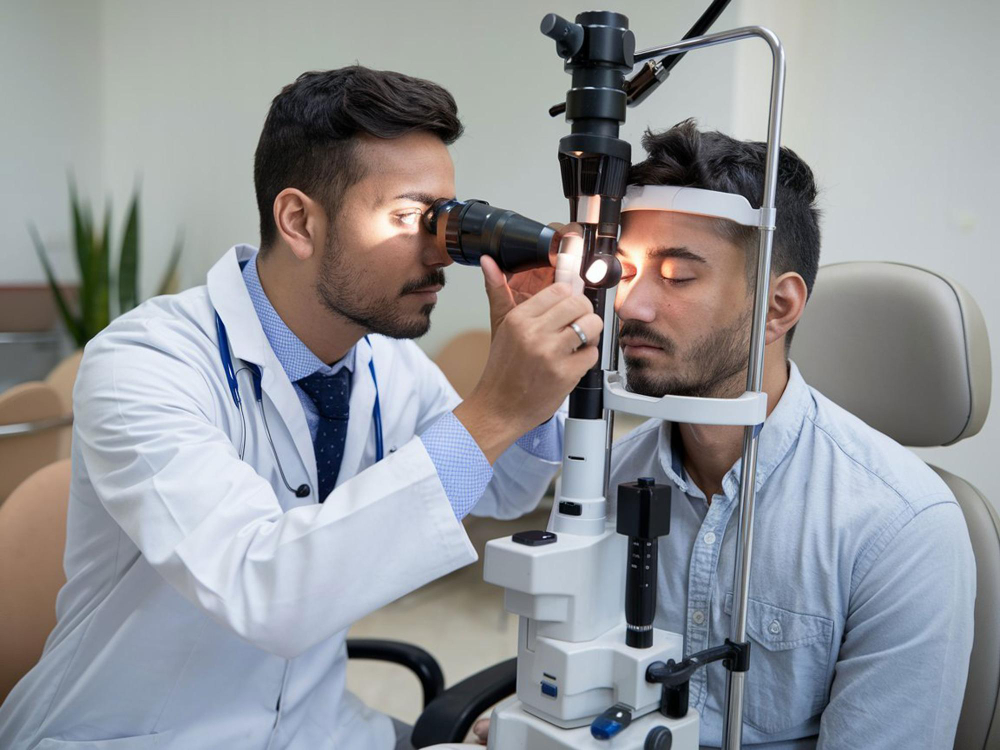
Doctors use several steps to find the cause of spots or lights. First, they will ask about your symptoms. Next, they will check your vision and eye health. Often, they use special drops to widen your pupils. This lets them see the back of your eye clearly. Sometimes, they may use imaging tests. For example, an ultrasound or a scan can help spot problems inside the eye. Early diagnosis is key to preventing serious damage.
Emergency Treatments and What to Expect
If your doctor finds a serious problem, treatment will start right away. The type of care depends on the cause. For example:
In many cases, early treatment can save your vision. Therefore, do not wait if you notice sudden changes. Find an eye specialist near you for urgent care.
Prevention and Eye Health Tips
While not all eye problems can be prevented, you can lower your risk. Here are some tips:
With these steps, you can help keep your eyes healthy. However, always take new or sudden symptoms seriously.
Conclusion
In summary, seeing spots or lights in your vision can be harmless. But sometimes, it is a sign of an eye emergency. If you notice sudden changes, pain, or vision loss, seek help fast. Early care can protect your sight. Consult your eye specialist immediately if you have any warning signs. Your vision is too important to ignore.