Squint surgery, also called strabismus correction, helps straighten eyes that do not look in the same direction. This eye alignment surgery is common and safe. Many people choose squint surgery to improve their vision and appearance. In this guide, you will learn what to expect, the benefits, and how to recover after squint surgery. If you are thinking about this procedure, understanding the process can help you feel more confident.
What is Squint Surgery?
Squint surgery is a procedure to correct eyes that point in different directions. Doctors call this condition strabismus. During the surgery, the eye muscles are adjusted so both eyes look the same way. As a result, vision may improve, and the eyes look more balanced. This surgery is often done for both children and adults. According to the World Health Organization (WHO), early treatment can prevent vision problems later in life.
Who Needs Squint Surgery?
Not everyone with a squint needs surgery. However, some people benefit more than others. Usually, doctors suggest squint surgery if:
Sometimes, adults develop a squint after an injury or illness. In these cases, surgery may help restore normal eye alignment.
Symptoms Indicating the Need for Surgery
Some signs suggest you may need squint surgery. For example, you might notice:
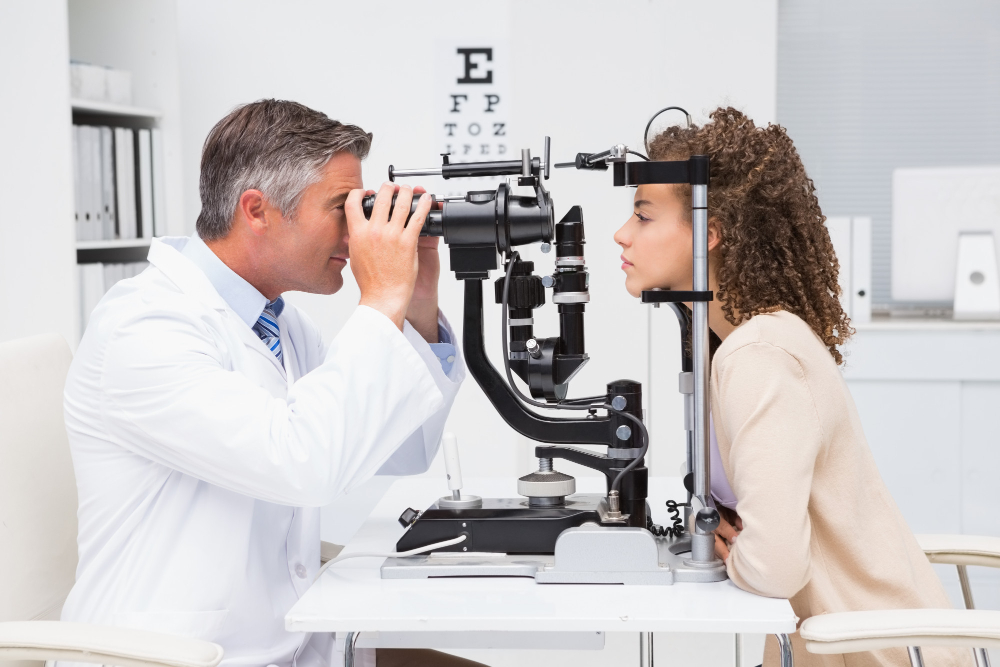
If you or your child has these symptoms, it is important to see an eye specialist soon. Early care can prevent lasting vision problems.
How is Squint Surgery Performed?
Squint surgery is usually done in a hospital or eye clinic. Most often, children get general anesthesia, so they sleep during the procedure. Adults may have local anesthesia to numb the eye area. During surgery, the doctor makes a small cut in the tissue covering the eye. Then, the eye muscles are moved or shortened to align the eyes. The cut is closed with tiny stitches that dissolve on their own. The whole process often takes less than an hour. After surgery, you can usually go home the same day.
Benefits of Squint Surgery
Squint surgery offers many benefits. Some of the main advantages include:
For many people, these changes make daily life easier and more comfortable. In addition, children who have early surgery may avoid vision loss later.
Recovery and Aftercare
After squint surgery, recovery is usually quick. Most people feel mild discomfort or redness for a few days. However, you should follow your doctor’s advice for the best results. Here is what you can expect during squint surgery recovery:
Usually, you can return to normal activities within a week. But, full healing may take several weeks.
Risks and Possible Complications
Like any surgery, squint surgery has some risks. Most people recover well, but possible complications include:
Although these problems are rare, it is important to contact your doctor if you notice pain, vision changes, or discharge from the eye.
Tips for a Smooth Recovery
To help your eyes heal after squint surgery, try these tips:
With good care, most people recover quickly and enjoy better eye alignment.
Prevention and Eye Health Tips
While not all squints can be prevented, you can protect your eye health by:
Early detection and care can help prevent vision problems and the need for surgery.
In conclusion, squint surgery is a safe and effective way to correct eye alignment. If you have symptoms or concerns, consult an eye specialist to discuss if squint surgery is right for you.