Introduction
Cataracts are a common eye problem, especially as people age. They cause the lens of your eye to become cloudy. Because of this, vision can become blurry or dim. Knowing the signs of cataracts is important. Early detection helps protect your eye health and can prevent vision loss. In this blog, you will learn about early cataract symptoms, how to spot them, and when to seek help.
What Are Cataracts?
Cataracts happen when the clear lens inside your eye becomes cloudy. This cloudiness blocks light from passing through. As a result, you may notice changes in your vision. Most cataracts develop slowly over time. According to the World Health Organization (WHO), cataracts are a leading cause of vision loss worldwide. However, they can be treated if found early.
Common Signs and Symptoms of Cataracts
It is important to watch for early cataract symptoms. While some signs may be mild at first, they can get worse over time. For example, you may notice:
Because these symptoms can also be caused by other eye problems, it is important to get your eyes checked regularly.
Why Early Detection Matters
Early detection of cataracts can make a big difference. When you catch cataracts early, treatment is often easier and more effective. In addition, you can avoid serious vision loss. Detecting cataracts early also helps you keep your independence and quality of life. The Centers for Disease Control and Prevention (CDC) recommends regular eye exams, especially for adults over 60. This way, any changes in your vision can be found quickly.
How Cataracts Are Diagnosed
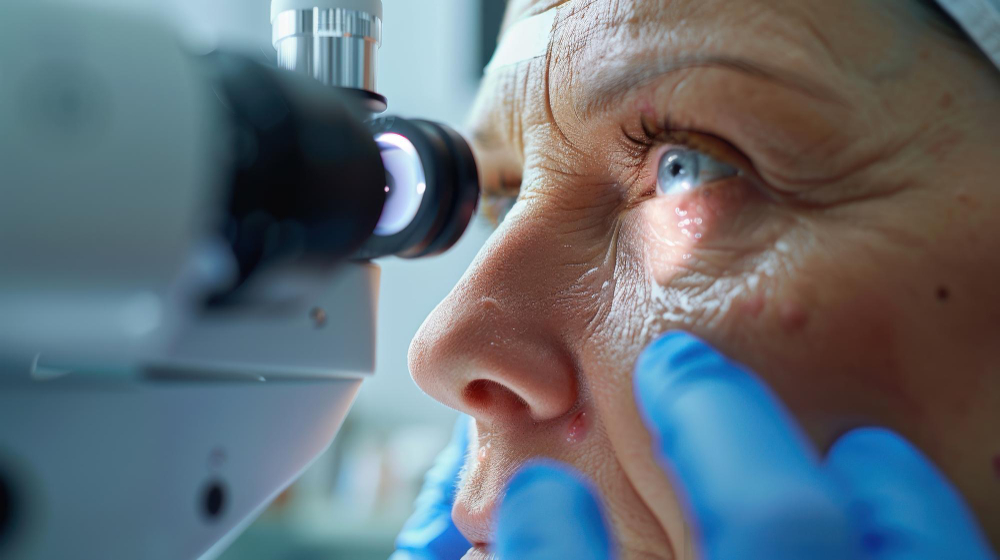
Eye doctors use several tests to diagnose cataracts. First, they will ask about your symptoms and medical history. Next, they will perform a simple eye exam. Some common tests include:
Because these tests are quick and painless, you should not worry about discomfort. Detecting cataracts early gives you more options for treatment.
When to See an Eye Specialist
If you notice any changes in your vision, do not wait. For example, if you see blurry spots or have trouble with bright lights, schedule an eye exam soon. Even if your symptoms are mild, it is better to be safe. In addition, adults over 60 should have regular eye check-ups every year. Early cataract symptoms can be easy to miss, so regular visits help catch problems before they get worse.
Prevention and Lifestyle Tips
While you cannot always prevent cataracts, some healthy habits may lower your risk. For better eye health, try these tips:
Because prevention is easier than treatment, these steps can help keep your eyes healthy for longer.
Conclusion
Cataracts are common, but early detection can protect your vision. If you notice any signs of cataracts, consult an eye specialist for personalized advice. Regular eye exams and healthy habits are key to keeping your eyes in good shape.