Understanding Refractive Errors
Refractive errors affect how the eye bends light rays to focus them on the retina. Let’s break down the main types:
- Myopia (nearsightedness) is when close objects are clear, but distant ones are blurry. What is myopia and how it is corrected? Glasses or contacts are the usual options. How do you correct nearsightedness or myopia specifically? LASIK surgery is an innovative choice.
- Hyperopia (farsightedness) is the opposite. Distant objects are clear, but those nearby seem fuzzy. What is hyperopia and how is it corrected? You can use glasses or contacts. If you’re curious about how do glasses correct hyperopia, they make things closer appear clearer.
- Astigmatism is where the eye doesn’t focus light evenly, leading to blurry vision at all distances. Like myopia and hyperopia, glasses are a straightforward fix.
- Presbyopia is an age-related issue, where things close up become blurry over time.
Refractive errors are common, affecting billions worldwide. Understanding these basics can help you spot any issues early and manage them with professional guidance.
Common Symptoms of Refractive Errors
Symptoms of refractive errors can be subtle at first. The most common signs include:
- Blurred vision
- Eyestrain, especially after reading or using digital screens
- Frequent headaches, often described as a “myopia headache” after trying to focus on distant objects too long
Lifestyle factors, such as prolonged screen time, can worsen these symptoms. Eyestrain can become a regular part of life if we’re not careful. It’s essential to remember that if these symptoms arise, they shouldn’t be ignored. Common myths suggest overuse of eyes makes refractive errors worse, but that’s not true. Awareness and correction are key.
Diagnosis and Importance of Eye Examinations
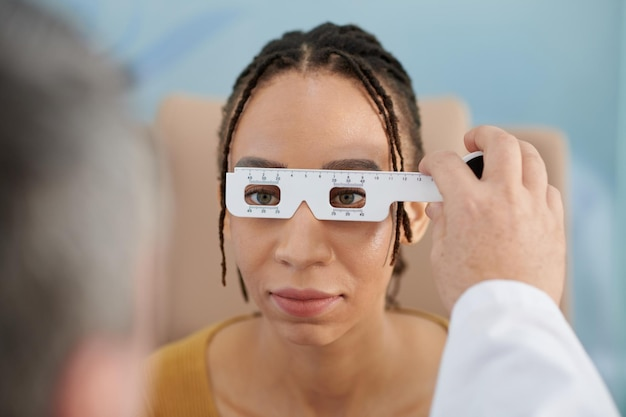
When it comes to the diagnosis of refractive errors, the process usually starts with a visit to an eye doctor. Here’s what might happen:
- A visual acuity test to check your clarity of vision
- Reviewing personal and family history for any eyesight issues
Routine eye exams play a significant role in catching these errors early. It’s good to advocate in your community about regular screenings for maintaining healthy vision.
Corrective Measures for Refractive Errors
Once diagnosed, there are various ways to manage refractive errors:
- Glasses and contact lenses. They are the most common solutions, easy to use, and effective.
- Surgery. If you’re considering how can we correct myopia or other errors, procedures like LASIK can offer permanent solutions.
For hyperopia, understanding how to fix hyperopia or how myopia and hypermetropia can be corrected involves choosing the right option for your lifestyle, whether that’s glasses, contacts, or surgery. When thinking about what is hyperopia and how is it corrected, remember that each solution has different benefits. Consult with an eye doctor to find the best fit.
Lifestyle Adjustments and Home Remedies
Maintaining eye health often involves simple lifestyle changes:
- Reduce screen time to prevent eyestrain. Take frequent breaks using the 20-20-20 rule: every 20 minutes, look 20 feet away for 20 seconds.
- Protect your eyes by wearing sunglasses outdoors.
- Traditional practices, like eye exercises, can promote eye relaxation and health.
These small adjustments contribute greatly to your overall eye wellness.
Access and Affordability of Eye Care Solutions
Affordable eye care is necessary for everyone. Advocacy for accessible solutions includes highlighting local resources like community health centers. These often provide eye exams at low or no cost. Joint efforts from governments and organizations play a crucial role in ensuring all communities have the necessary support for eye care.
Unraveling Myths and Psychological Impacts
There are several myths about glasses and refractive errors. Some think wearing glasses weakens eyesight, which isn’t true. On the psychological side, vision issues can affect confidence. Having support systems, whether through family, friends, or community programs, can help manage these impacts.
Early Signs of Vision Changes and Their Broader Implications
Paying attention to early symptoms of refractive errors, such as frequent squinting or headaches, can hint at broader health problems. These changes may be linked to diabetes or high blood pressure. Therefore, encouraging regular eye check-ups is crucial. Eye health should be a priority for everyone. By promoting inclusive eye health practices in your community, you can help others maintain clear vision and a good quality of life.n