Myopia, commonly known as nearsightedness, is becoming increasingly common, with a noticeable rise globally and in India. What is the reason for myopia climbing the charts? It’s a pressing question, as more and more people, especially children, are affected every year. This blog aims to explore what causes myopia, particularly among younger populations, and to provide solutions for better eye health. Through understanding the myopia signs and addressing the myopia complications, we can take effective steps towards managing this widespread vision problem.
Myopia Uncovered: Causes and Implications
Causes of Myopia
What causes myopia? It’s often a mix of genetics and environment. If parents have myopia, their children are more likely to develop it. Our modern lifestyle also plays a role. Spending lots of time on screens or other close-up tasks without enough breaks can increase the risk of developing myopia. Moreover, less time spent outdoors is another contributing factor, as natural light exposure helps regulate eye development.
Symptoms and Daily Life Impact
Recognizing what are the symptoms of myopia is key. These include:
- Blurry vision when looking at distant objects
- Squinting or straining to see clearly
- Frequent headaches or eye strain, especially after prolonged close-up activities
Living with myopia signs can affect daily tasks like driving, playing sports, or even enjoying movies. Unchecked, myopic progression can make such tasks increasingly challenging.
Untreated Myopia and Its Implications
So, what happens if myopia is left untreated? There are several potential myopia complications. These include an increased risk of poor school performance in children, safety risks such as difficulty in driving, and the potential for developing more serious eye conditions later in life, such as retinal detachment or glaucoma. Thus, acknowledging and acting on myopia diagnosis and treatment is crucial for long-term eye health.
Diagnosing and Addressing Myopia in Children
Diagnosing Myopia
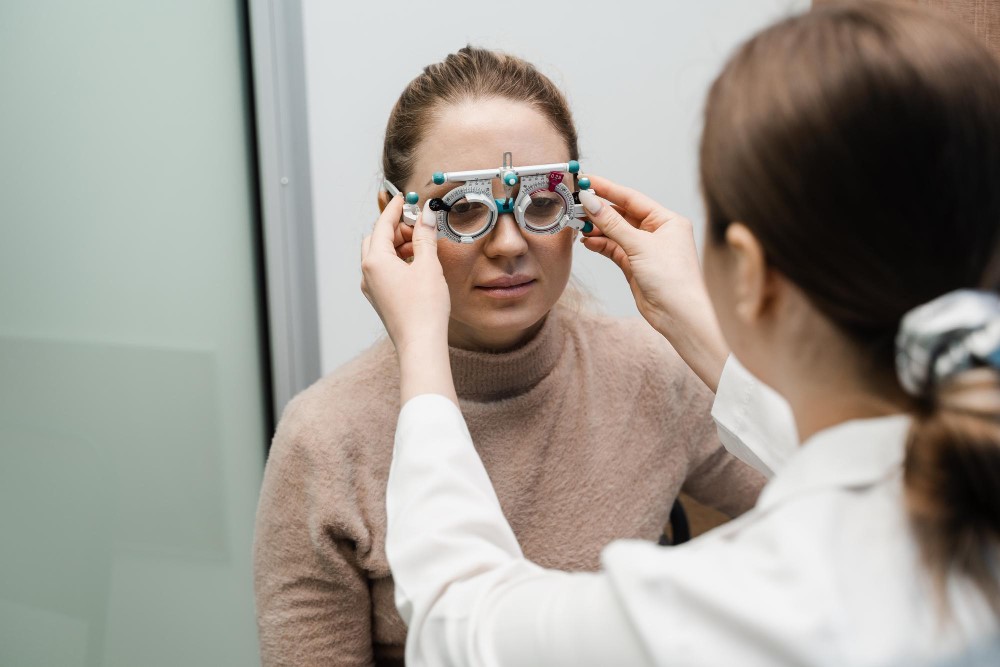
To manage myopia diagnosis effectively, regular eye screenings, especially for children, are essential. Optometrists use simple tests, such as reading charts or special light devices, to diagnose myopia accurately. This helps in catching myopia signs early and taking timely action.
Managing Myopia in India
In India, managing myopia poses unique challenges. Limited access to eye care resources in rural areas can lead to late diagnosis and treatment. However, there are many local resources, such as government eye camps and initiatives by non-profit organizations, providing affordable check-ups. Increasing awareness about what causes myopia can also empower communities to seek timely help.
Cultural and Lifestyle Factors
Cultural habits and a fast-paced lifestyle contribute to the myopia issue. With the increased use of digital devices among kids for both education and entertainment, combined with pressure from academic work, children’s exposure to screens is at an all-time high. This lifestyle impacts children’s eye health significantly, highlighting the need for balanced activities that encourage outdoor play.
Solutions and Treatments: The Path Forward
Myopia Treatment Options
Treating myopia effectively involves several options. What is the reason for myopia requiring different treatments? It’s because severity varies. Options include:
- Glasses: The most common and convenient solution for clear vision.
- Contact Lenses: Offer a fuller field of vision, ideal for sports and active kids.
- Orthokeratology (Ortho-K): Special lenses worn overnight to reshape the cornea temporarily.
- Laser Surgery: An option for adults seeking permanent correction.
Practical Tips to Slow Progression
Preventing myopic progression can be as simple as adopting good habits:
- Ensure children spend ample time outside in natural light.
- Limit screen time and take regular breaks during close-up tasks.
- Encourage activities that involve looking at distant objects to rest the eyes.
Debunking Myopia Myths
It’s crucial to tackle common myths. Some believe myopia will make you ‘half-blind’, but that’s not accurate. While myopia complications can arise if not treated, regular check-ups and following prescribed treatments keep vision problems manageable. Consulting an eye care professional can prevent worsening and maintain healthy eyesight.
In conclusion, understanding what are the symptoms of myopia, what happens if myopia is left untreated, and leveraging effective myopia treatment options can make a significant difference. As we continue educating ourselves and others about what causes myopia, proactive steps in myopia diagnosis and management become part of a healthy lifestyle, ensuring better eye health for everyone.