Glaucoma is a major concern in global eye health. It stands as one of the leading causes of blindness worldwide. Dubbed as the ‘Silent Thief of Sight,’ glaucoma usually sneaks up unnoticed. This stealth nature demands our attention and understanding.
Many people are unaware of the potential dangers of glaucoma eye complications. By spreading awareness, we can help others avoid losing vision unnecessarily. It’s crucial to know not only how it can be prevented but also the glaucoma complications that may arise without intervention.
Understanding Glaucoma: Causes and Key Complications
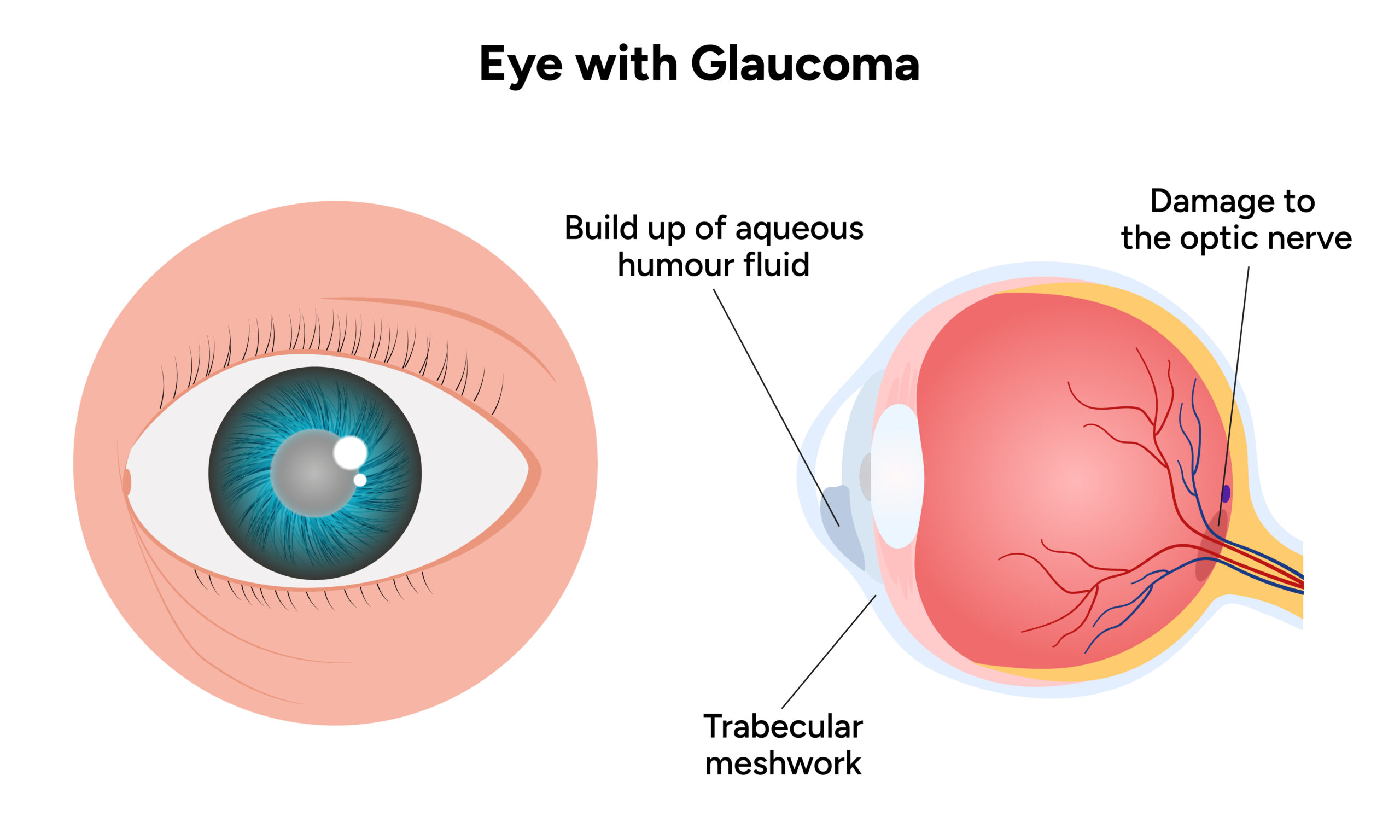
Glaucoma is a condition that causes damage to the eye’s optic nerve. This damage often results from high pressure in the eye. The glaucoma causes are varied, but the end result is often the same – vision loss.
There are three main types of glaucoma:
- Open-Angle Glaucoma: The most common type. It progresses slowly over time without noticeable glaucoma signs.
- Angle-Closure Glaucoma: Sudden blockage of eye drainage, causing quick pressure build-up.
- Secondary Glaucoma: Happens as a result of another condition, like inflammation or trauma.
The danger of glaucoma is its silent progression. People often feel fine until significant vision is lost. This sneaky nature makes it all the more vital to understand glaucoma diagnosis as soon as possible to prevent further glaucoma complications.
Ultimately, untreated glaucoma leads to serious glaucoma eye complications. Its dangerous nature underscores the importance of regular eye check-ups.
Recognizing Glaucoma Signs and Symptoms
Early glaucoma signs are tricky because most people don’t feel any different. It’s only when the disease progresses that some symptoms start to creep in:
- Open-Angle Glaucoma Symptoms: Often, there’s a gradual loss of peripheral vision. Most people don’t notice it until the vision is severely affected.
- Angle-Closure Glaucoma Symptoms: These can include severe headaches, eye pain, nausea, and blurred vision. These signs require immediate medical attention.
- Secondary Glaucoma Symptoms: They might vary depending on the underlying cause but can include similar symptoms to the above.
People may not see these glaucoma symptoms coming, but keeping a lookout is key. Encourage regular eye checks, especially for those over 40 or with a family history. Early glaucoma diagnosis can mean the difference between maintaining eyesight and losing it.
Preventing and Managing Glaucoma for Optimal Eye Health
The best way to sidestep glaucoma eye complications is regular eye exams. For those over 40, or with risk factors such as family history or diabetes, these exams should be a must.
Glaucoma treatment options depend on the type and severity. Here’s a quick look at how glaucoma can be managed:
- Eye Drops: A common first step in glaucoma treatment options. They help reduce eye pressure.
- Medications: If eye drops aren’t enough, doctors may prescribe pills.
- Surgery: In severe cases, surgery might be necessary to create a new drainage pathway.
Each of these management of glaucoma complications strategies requires commitment. Regular follow-ups and adherence to prescribed methods are crucial for success.
It’s important to remember that early intervention can halt or slow the progression of glaucoma. This consideration is a key aspect of managing the risks of untreated glaucoma. Without treatment, the threat of blindness due to glaucoma complications looms larger.
The understanding and proactive management of glaucoma complications not only preserve sight but improve quality of life. Encourage routine checks and be aware of potential symptoms. With these steps, your vision can remain clear and vibrant.