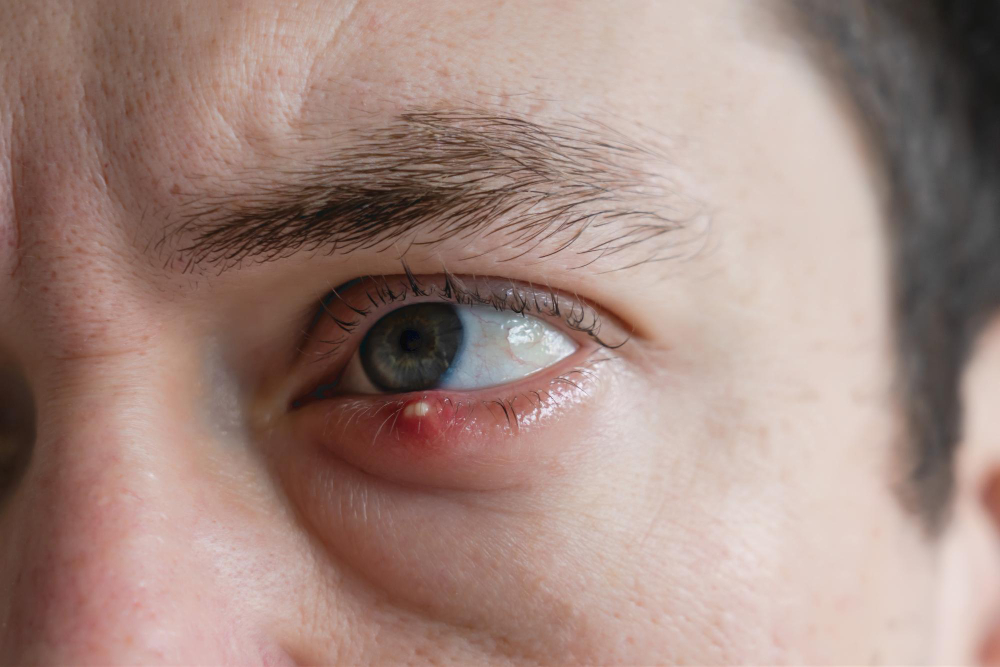
Let’s uncover the mystery of what is a stye. Styes are painful red bumps that appear on the edge of the eyelid. They look like pimples and occur when oil glands get clogged. Picture this: you wake up to find a tender, red bump, usually on one of your upper or lower eyelids—this, my friend, is a stye.
Styes form when oil glands near the eyelid’s edge become blocked with dirt or dead skin. These oil glands, called Meibomian glands, ensure your eyes stay moist. But sometimes, these glands can get clogged and, combined with bacteria, lead to a stye.
Understanding the development of a what is a stye is key. Imagine a tiny pocket filled with pus, located right at the base of your eyelashes. This forms when the bacteria Staphylococcus clogs up those oil glands. The result? Inflammation and irritation manifest as a stye.
Identifying and Understanding the Causes of Styes
Knowing what causes a stye can help prevent them. There are a few primary culprits:
- Bacteria: Often, styes result from bacteria entering the eye via dirty hands or contact lenses.
- Clogged Oil Glands: If glands near your lash line get blocked, it may lead to a stye.
- Poor Hygiene: Not cleaning your eyelids and the surrounding area can contribute to stye formation.
Many people think they’re caused by staring too long at screens, but that’s more of a myth. Really, what causes a stye is often as simple as poor hygiene and bacteria. Other lifestyle factors, like stress and diet, can make styes more likely.
Being able to spot one early is helpful. What are symptoms of a stye in your eye? Look for:
- Swelling around a red bump
- Pain or tenderness at the bump’s location
- Extra tears or crust forming around the eyes
Catch it early, and you can ease discomfort and speed recovery.
Effective Eye Stye Treatments and Preventive Measures
Recognizing eye stye signs is the first step toward relief. Symptoms can include swelling, redness, tenderness, and a feeling of a lump on the eyelid. If you’re unsure what causes eye styes, a clogged oil gland is typically the villain.
Now, let’s talk about eye stye treatment. Some home remedies can work wonders:
- Warm compresses: Applying warmth helps reduce swelling and encourages drainage.
- Clean the eyelid: Gently wash with mild soap and water to keep the area free of bacteria.
- Over-the-counter ointments: These can provide quick relief and prevent further infection.
Avoid popping or squeezing a stye, as this can spread infection. If symptoms worsen or persist, it might be time to seek medical advice.
Preserving Eye Health and Preventing Styes
To reduce the chances of a stye, you can take practical steps:
- Regularly wash your hands and avoid touching your eyes.
- Remove eye makeup before bed.
- Keep your face, especially eyelids, clean.
If you tend to get styes often, look at your diet and stress levels. Stay hydrated and include more vitamins in your meals. Reducing stress through relaxation techniques can also help.
Styes can lead to complications if not treated on time, such as persistent swelling or infection spread. So, always consider early intervention. By integrating these simple habits into your lifestyle, you ensure better eye health and well-being.
Taking care of your eyes is about more than addressing what is a stye, it’s about preserving your vision and comfort long-term. Following these tips will steer you clear of many eye troubles.
In summary, understanding what is a stye can guide you in prevention and care. Effectively tackling what causes a stye and being aware of eye stye signs empowers you to counter them before they escalate, facilitating a healthier lifestyle free from inconvenient styes.