
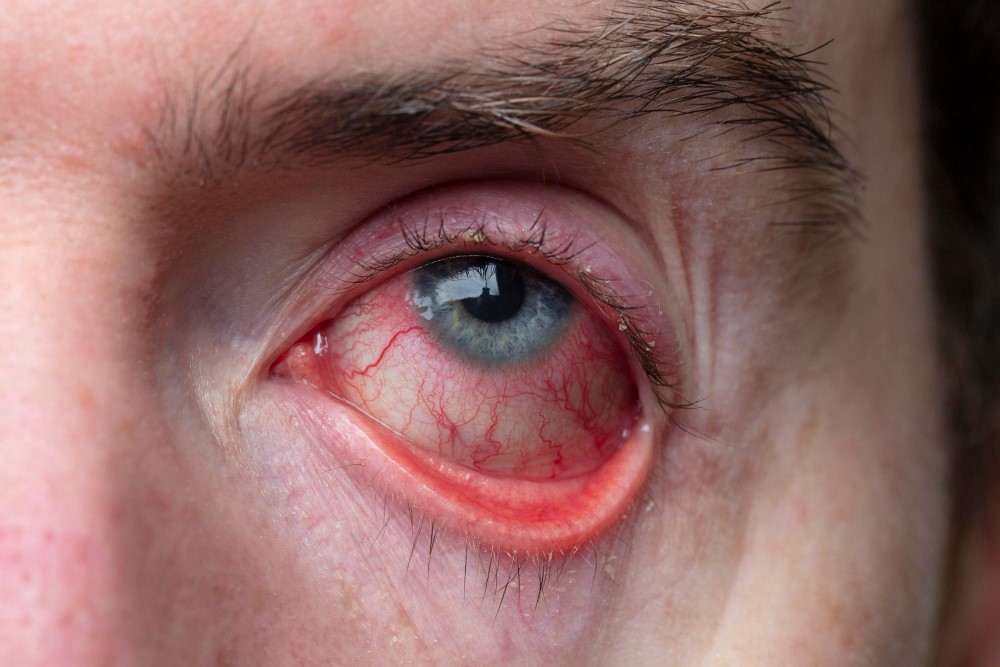
Episcleritis is an inflammation of the eye. Knowing the episcleritis symptoms early can prevent discomfort. Look out for redness, discomfort, and sensitivity to light. If you notice these signs, seek medical advice promptly. Understanding these symptoms helps you act swiftly, preventing complications.
Introduction to Episcleritis: Understanding the Basics
Episcleritis is a non-threatening inflammation affecting the thin layer covering the white part of the eye. It usually clears up on its own but can cause discomfort. In India, where dust and pollution levels are high, episcleritis might occur more frequently.
The eye consists of parts like the cornea, sclera, and conjunctiva. Episcleritis affects the episclera, lying between the white sclera and the outer covering. This condition is less severe than scleritis, which hits deeper layers.
Recognizing episcleritis signs like redness can make daily activities easier. You may experience a sudden bloodshot eye or a mild ache. It’s vital to note that episcleritis symptoms are not as painful as other eye issues but still demand attention.
In Indian households, eye conditions often go untreated due to myths or ignorance. Timely identification of symptoms of episcleritis ensures the right treatment. Next, let’s delve into identifying these symptoms and obtaining an episcleritis diagnosis.
Identifying the Symptoms and Getting a Diagnosis
Common symptoms of episcleritis include: – Red and inflamed eyes – Mild discomfort or irritation – Increased sensitivity to light
If you’re scratching more or squinting in bright light, these could be episcleritis signs. Unlike severe conditions, episcleritis symptoms do not usually affect vision.
Self-Assessment Tools
1. Have a Mirror Check: Look for signs of redness that don’t go away in a few days. 2. Light Sensitivity Test: Notice if bright lights bother you more than usual.
Self-awareness of these symptoms helps in determining whether you need medical advice. A visit to an eye specialist confirms an episcleritis diagnosis. Here’s how doctors typically diagnose this condition:
- Eye Examination: The doctor will closely examine your eye to rule out serious conditions.
- Slit-lamp Test: This standard test allows for a detailed check of the ocular surface.
The diagnosis phase can be daunting, but remember episcleritis treatment is usually straightforward and about reducing inflammation. Distinguishing episcleritis from other issues, like conjunctivitis, reduces stress by providing clarity.
Comprehensive Treatment and Prevention Strategies
Traditional treatment for episcleritis often involves simple measures to ease discomfort. Episcleritis eye drops are commonly prescribed to soothe redness. These drops act fast to provide relief.
Medications might also include: – Non-Steroidal Anti-Inflammatory Drugs (NSAIDs): These reduce swelling and eye irritation. – Corticosteroid Drops: For cases where inflammation is severe, though rarely needed.
In India, home remedies, alongside episcleritis treatment, complement medical advice. Consider these popular methods:
- Cold Compresses: Reduce swelling and irritation. Apply gently to closed eyes.
- Cucumber Slices: Known for soothing properties. Place slices over eyes to relieve mild symptoms.
- Aloe Vera Gel: When applied around the eye area, its anti-inflammatory effects can be beneficial.
Preventive Measures
- Dietary Changes: Eating foods rich in omega-3 fatty acids equips your eyes with protective nutrients.
- Stay Hydrated: Proper hydration supports overall eye health.
- Avoid Irritants: Limit exposure to dust and pollution. Wear sunglasses to shield against UV rays.
Lifestyle adjustments can also aid in episcleritis prevention. Regular clean-up of your living area reduces allergens that trigger inflammation. Using artificial tears maintains necessary moisture, crucial for those in dusty climates.
Cultural Context and Eye Health Advocacy in India
India, with its rich cultural heritage, has various beliefs around eye health. Some might dismiss episcleritis symptoms as harmless redness. Education is key to erasing myths like using expired eye drops for relief.
Environmental factors like pollution and high dust levels are prevalent causes of episcleritis in India. Protecting eyes in such environments is crucial for healthy living.
Routine eye check-ups can catch early signs of conditions like episcleritis and prevent further complications. Advocating for these measures fosters a community aware of maintaining optimal eye health, reducing future eye care burdens.