Your eyes help you see the world every day. However, many people forget to care for their eyes. Regular eye exams can save your vision by catching problems early. In fact, eye doctors can spot issues before you notice any changes. Because of this, it is important to make eye exams a part of your health routine.
Why Regular Eye Exams Matter
Many eye diseases do not show symptoms at first. For example, you might not notice vision loss until it is serious. But with regular eye exams, doctors can find problems early. This means you can get treatment before your vision gets worse. Also, eye exams can catch other health issues, like diabetes or high blood pressure. So, regular check-ups protect both your eyes and your overall health.
Common Eye Conditions Detected Early
Eye exams help find many common eye problems. Early detection is key to saving your vision. Some conditions that eye exams can catch include:
Because these conditions can be silent, regular eye exams are your best defense.
What to Expect During an Eye Exam
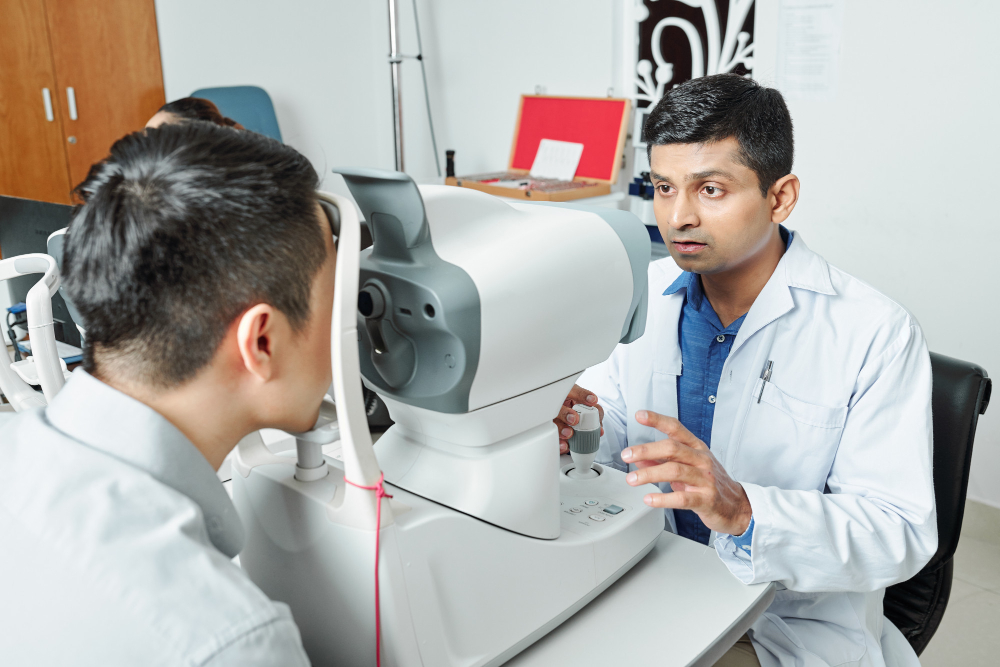
Many people feel nervous about eye exams. However, the process is simple and painless. During your visit, the eye doctor will:
After the exam, your doctor will explain the results. If you need glasses or treatment, they will guide you on the next steps.
Benefits of Early Detection and Treatment
When eye problems are found early, treatment is often easier and more effective. For example, early glaucoma treatment can prevent vision loss. Also, catching cataracts early means you can plan for safe surgery. Because of this, regular eye exams help you keep your vision sharp as you age. In addition, early treatment can lower your risk of blindness and improve your quality of life.
Tips for Scheduling and Preparing for Eye Exams
It is easy to fit eye exams into your routine. Here are some tips to help you:
Because regular exams are quick, they fit easily into your busy life.
Prevention and Lifestyle Guidance
Besides regular eye exams, you can protect your vision with healthy habits. For example, you can:
Because prevention is better than cure, these steps help keep your eyes healthy for years to come.
In summary, regular eye exams are a simple way to save your vision. They help catch problems early and keep your eyes healthy. So, do not wait for symptoms to appear. Schedule your eye exam today and consult an eye care specialist for advice tailored to you.