Introduction
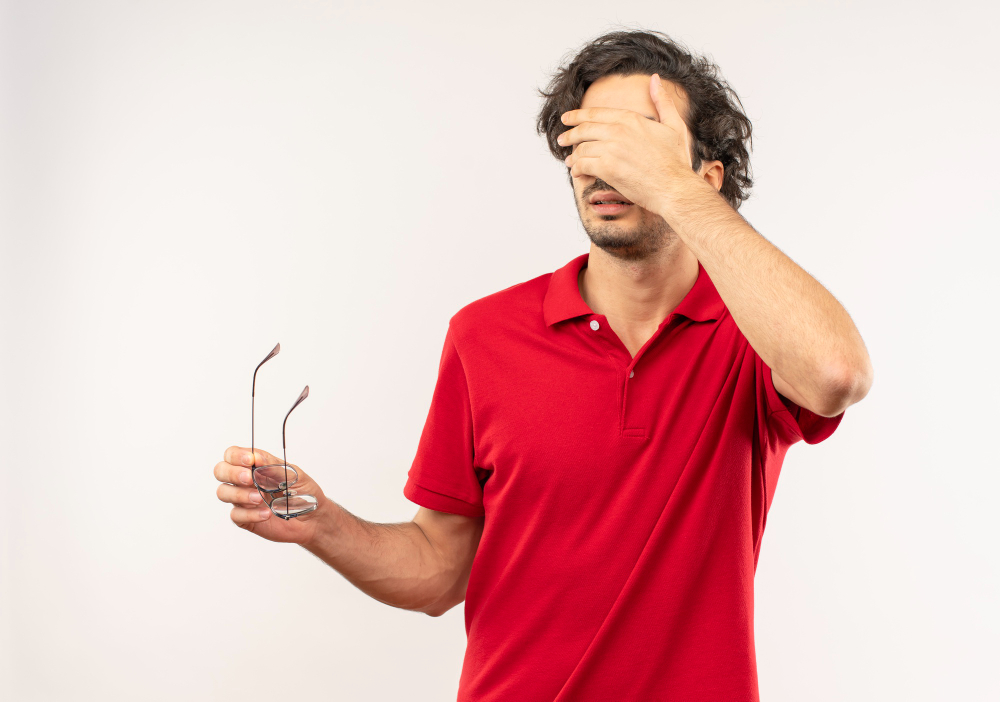
Photophobia means sensitivity to light. It is not a disease, but a symptom. Many people with photophobia feel pain or discomfort when exposed to bright lights. This condition can affect anyone, but it is more common in people with certain eye problems. Sometimes, photophobia is called light sensitivity or eye sensitivity. Because it can impact daily life, understanding photophobia is important. According to the World Health Organization (WHO), eye sensitivity is a growing concern worldwide.
Symptoms of Photophobia
Photophobia can show up in different ways. For example, some people notice mild discomfort, while others feel severe pain. Common symptoms include:
Sometimes, these symptoms can make daily tasks hard. If you notice these signs, it is wise to pay attention to your eyes.
Causes of Photophobia
Many things can cause photophobia. Often, it is linked to eye problems. However, other health issues can also play a role. Main causes include:
In addition, some people are born with sensitive eyes. Sometimes, bright lights at work or home can make symptoms worse.
Diagnosis of Photophobia
If you have ongoing light sensitivity, it is important to see an eye doctor. Usually, the doctor will ask about your symptoms and medical history. Next, they will check your eyes with a special light. Common tests include:
If you have sudden or severe pain, seek medical help right away. Early diagnosis can prevent further problems.
Treatment Options for Photophobia
Treating photophobia depends on the cause. Often, treating the main problem helps reduce light sensitivity. Common treatment options include:
Sometimes, lifestyle changes can make a big difference. Your doctor may suggest more than one approach for the best results.
Prevention & Lifestyle Guidance
While not all cases can be prevented, you can lower your risk. Try these simple tips to manage and prevent photophobia:
Additionally, regular eye check-ups can catch problems early. Simple daily habits can protect your eyes and reduce discomfort.
Reliable Sources
This blog is based on information from trusted sources, including the World Health Organization (WHO), the Centers for Disease Control and Prevention (CDC), and peer-reviewed medical journals. These organizations provide up-to-date facts on eye health and photophobia.
When to See an Eye Care Specialist
If you have ongoing or severe light sensitivity, do not ignore it. Early care can prevent serious problems. Consult an eye care specialist for a full check-up and personalized advice. Your eyes deserve the best care.