Early eye screening for children is crucial for healthy vision. Many parents may not realize that children can have eye problems even if they seem fine. However, regular vision checks help spot issues early. In the United States and worldwide, experts recommend eye screenings for all children. This blog explains why early eye screening matters, what to expect, and how you can support your child’s eye health.
What is Early Eye Screening?
Early eye screening means checking a child’s eyes before any problems show up. Usually, doctors or eye specialists do these checks during routine visits. In many cases, screenings start as early as infancy. For example, the American Academy of Ophthalmology suggests eye exams for newborns, infants, and preschoolers. These screenings look for common vision problems and help catch them before they get worse.
Why is Early Eye Screening Important for Children?
Early eye screening is important because children often do not know they have vision problems. As a result, they may struggle in school or daily life. Early detection helps prevent long-term issues. For instance, some eye conditions can lead to permanent vision loss if not treated early. According to the CDC, early screening and treatment can improve learning, safety, and quality of life for children.
Common Eye Conditions Detected in Children
Several eye conditions can affect children. Early screening helps find these problems, such as:
Because these issues may not cause pain, children might not complain. Therefore, regular screenings are key.
Signs Your Child May Need an Eye Screening
Sometimes, children show signs that they need an eye check. Watch for these signs:
If you notice any of these, schedule an eye screening soon. Early action can make a big difference.
How Eye Screenings are Performed
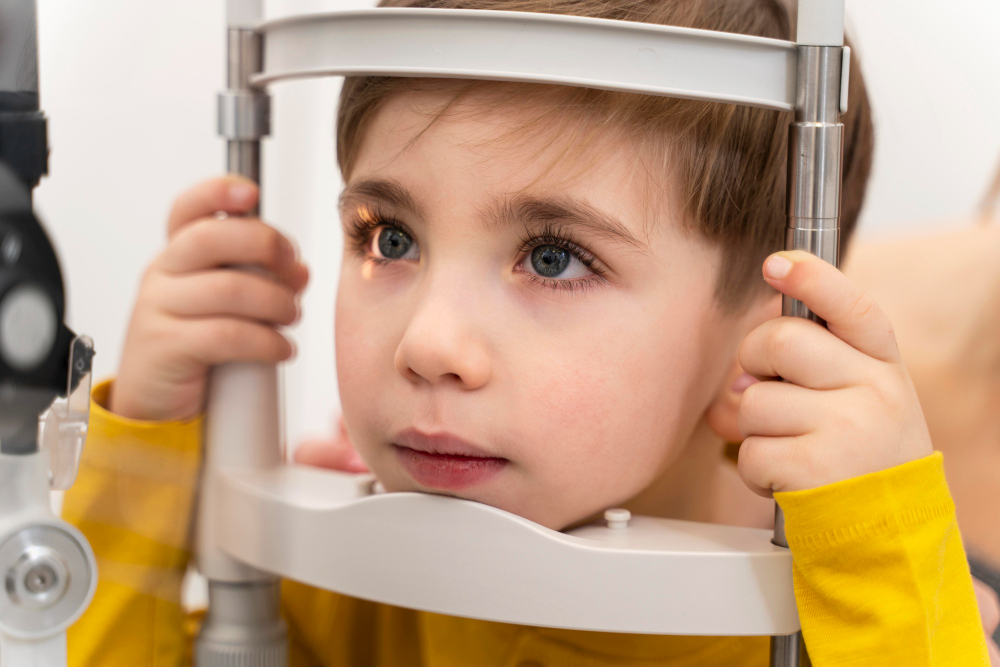
Eye screenings for children are simple and safe. First, a doctor or nurse may use special charts or lights to check vision. Sometimes, they use pictures or shapes for younger kids. Next, they look at how the eyes move and focus. In some cases, eye drops help widen the pupil for a better look inside the eye. Most screenings take only a few minutes. If a problem is found, the doctor may suggest a full eye exam with a specialist.
Benefits of Early Detection and Treatment
Early detection of eye problems offers many benefits. For example:
Because children’s eyes are still growing, early treatment works best. The World Health Organization and leading eye health groups agree that early care leads to better lifelong vision.
Tips for Parents: Encouraging Healthy Vision
Parents play a big role in protecting children’s eyes. Here are some tips:
With these steps, you can help your child enjoy healthy vision.
Prevention and Lifestyle Guidance
While not all eye problems can be prevented, healthy habits help. For instance, a balanced diet with fruits and vegetables supports eye growth. Also, regular hand washing prevents infections. If your family has a history of eye issues, tell your doctor. Early eye screening for children is even more important in these cases. Finally, always follow your doctor’s advice about eye care and follow-up visits.
In summary, early eye screening for children is a simple step that protects vision for life. Schedule an eye screening with a qualified eye specialist to ensure your child’s healthy vision.