What Are Refractive Errors?
Refractive errors are common vision problems. They happen when the eye cannot focus light correctly. As a result, you may see blurry images. According to the World Health Organization (WHO), refractive errors are a leading cause of vision issues worldwide. Early detection of refractive errors is important for good eye health.
Common Types of Refractive Errors
There are several types of refractive errors. Each type affects vision in a different way. Here are the most common types:
Each type can cause discomfort and affect daily life. However, most refractive errors can be corrected with glasses, contact lenses, or surgery.
Why Early Detection Matters
Early detection of refractive errors can prevent many problems. For example, children with untreated vision issues may struggle in school. Adults may find it hard to drive or work. In addition, untreated refractive errors can lead to more serious eye health complications over time. Regular eye exams help catch these problems early. This way, you can start treatment before complications develop.
Complications of Untreated Refractive Errors
If refractive errors are not treated, several complications can arise. These long-term effects of untreated refractive errors can impact your quality of life. Here are some common risks:
According to the CDC, untreated vision problems can also affect mental health and learning. Therefore, it is important to address refractive errors as soon as possible.
Prevention and Lifestyle Tips
There are steps you can take to prevent vision problems and protect your eye health. Here are some helpful tips:
By following these tips, you can help prevent eye health complications and enjoy clear vision for years to come.
When to See an Eye Specialist
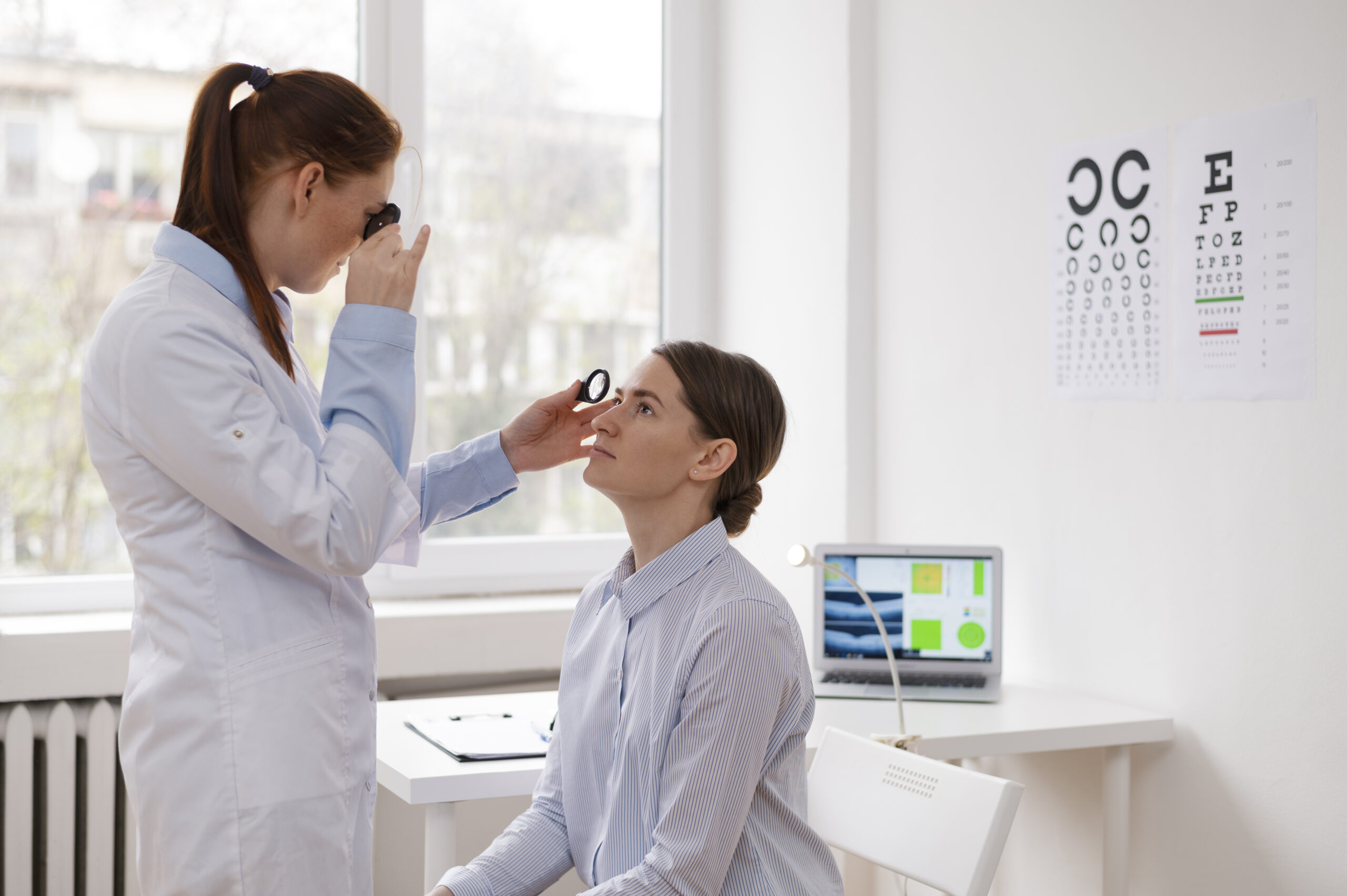
It is important to see an eye specialist if you notice any changes in your vision. For example, if you have blurry vision, frequent headaches, or trouble seeing at night, make an appointment. Children should also have regular eye checks, especially if they struggle in school. Early intervention can prevent long-term effects of untreated refractive errors. In summary, do not wait for symptoms to get worse. Consult an eye specialist for personalized advice and early intervention.