What is Lasik Eye Surgery?
Lasik eye surgery is a popular way to correct vision problems. In this procedure, doctors use a special laser to reshape the clear front part of your eye, called the cornea. Because of this, many people no longer need glasses or contact lenses after Lasik. Laser vision correction is safe for most healthy adults. However, it is important to know all the facts before deciding.
Common Symptoms and Vision Problems Treated by Lasik
Many people choose Lasik to fix common vision issues. For example, you may have:
Because these problems make daily life harder, Lasik can help you see clearly again. If you often squint or struggle to read signs, you may benefit from this surgery.
Causes and Risk Factors for Needing Lasik
Many factors can lead to vision problems that Lasik treats. For instance, you may have inherited poor vision from your parents. In addition, aging can change the shape of your eye. Spending long hours on screens or reading can also strain your eyes. However, not everyone is a good candidate for Lasik. Some risk factors include:
Therefore, your doctor will check your eyes carefully before recommending Lasik.
How Lasik Eye Surgery is Performed (Procedure Overview)
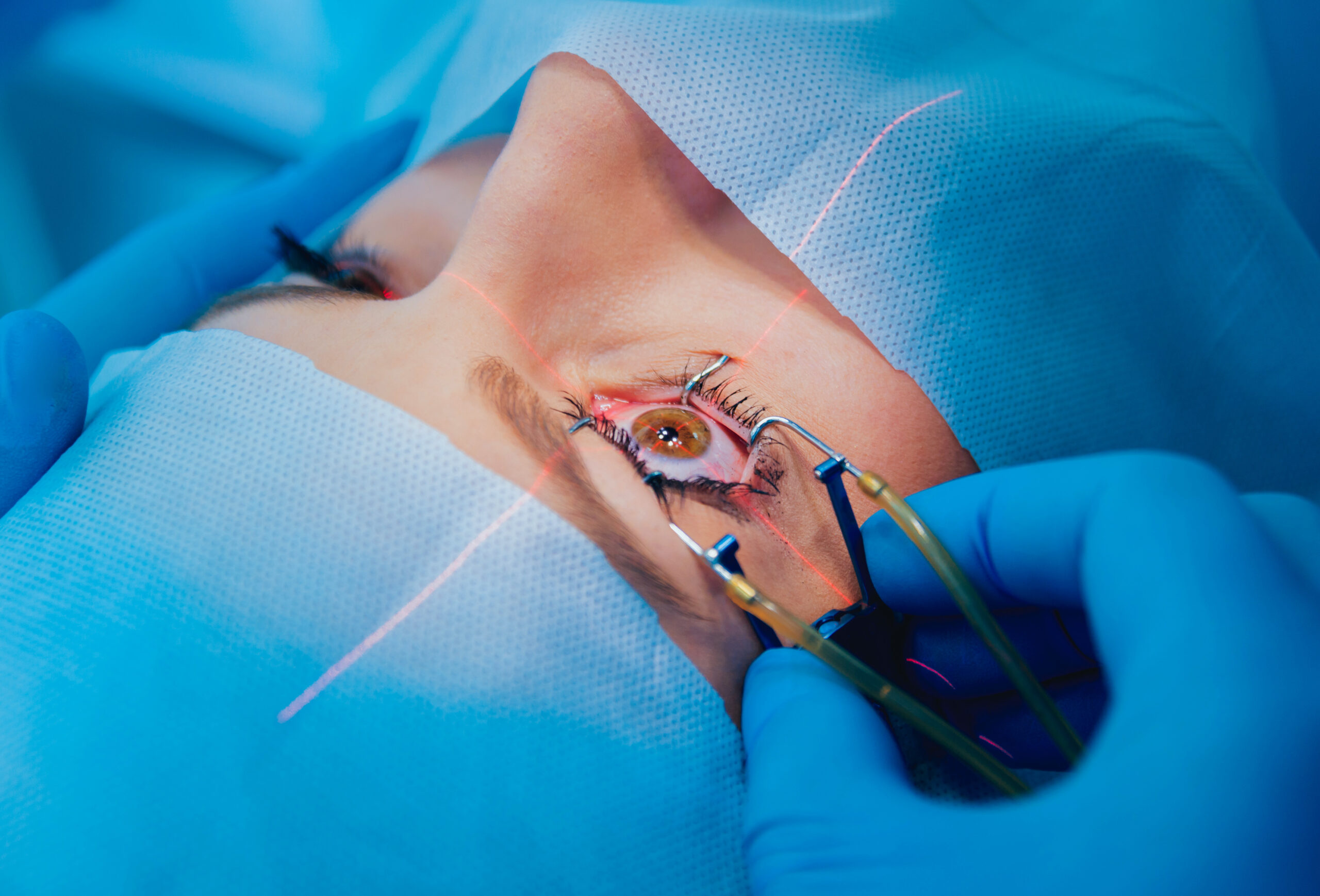
Lasik is a quick and painless procedure. First, your eye doctor numbs your eyes with drops. Next, a small flap is made in the cornea. Then, a laser reshapes the cornea to improve your vision. After that, the flap is placed back in position. The whole process usually takes less than 30 minutes for both eyes. Most people feel only mild discomfort during the surgery. Because the laser is very precise, results are often excellent.
Benefits and Potential Risks of Lasik
Lasik offers many benefits. For example, you may enjoy:
However, like any surgery, Lasik has some risks. Some possible side effects include:
Most side effects are mild and go away with time. Still, it is wise to discuss all risks with your doctor. Many people ask, “Is Lasik safe?” Studies from the CDC and peer-reviewed journals show that Lasik is safe for most healthy adults.
Recovery and Aftercare Tips
After Lasik, you can usually go home the same day. But, you should rest your eyes for a few hours. Here are some Lasik recovery tips:
Because healing is quick, most people return to work in one or two days. However, your vision may keep improving for several weeks.
Prevention and Lifestyle Guidance for Eye Health
Even after Lasik, it is important to care for your eyes. For example, you can:
Because healthy habits protect your vision, you may avoid future problems. Also, knowing the cost of Lasik eye surgery can help you plan ahead. Prices vary, so ask your clinic for details.
In summary, Lasik eye surgery can improve your vision and quality of life. However, it is important to learn about the benefits and risks. Consult a certified ophthalmologist to find out if Lasik eye surgery is right for you.