
Allergic conjunctivitis is more than just an itchy or watery eye; it’s a condition that can turn sunny days gloomy. It affects millions across the globe, disrupting daily activities and comfort. This blog aims to provide readers with reliable information about allergic conjunctivitis, its causes, symptoms, and how to find relief. With easy access to the right facts, you can make informed decisions to protect your eye health. We’ll dive into what triggers this condition, how to differentiate it from other eye issues, and the best ways to manage and treat it, so your eyes can stay as happy and healthy as possible.
Demystifying Allergic Conjunctivitis: Causes and Symptoms
Allergic conjunctivitis is an inflammation in the eye caused by allergies. It’s not the same as viral or bacterial conjunctivitis, which are related to infections and require different treatments. Allergic conjunctivitis often stems from environmental triggers. Common allergic conjunctivitis causes include pollen from trees and flowers, dust mites living in house dust, mold spores found in damp areas, and pet dander from furry animals.
In countries like India, certain allergens are more prevalent due to the climate and biodiversity. For instance, when seasons change, there is often more pollen in the air. This can lead to a rise in cases of allergic conjunctivitis, especially during spring when flowers bloom. High humidity can contribute to mold growth, another common trigger.
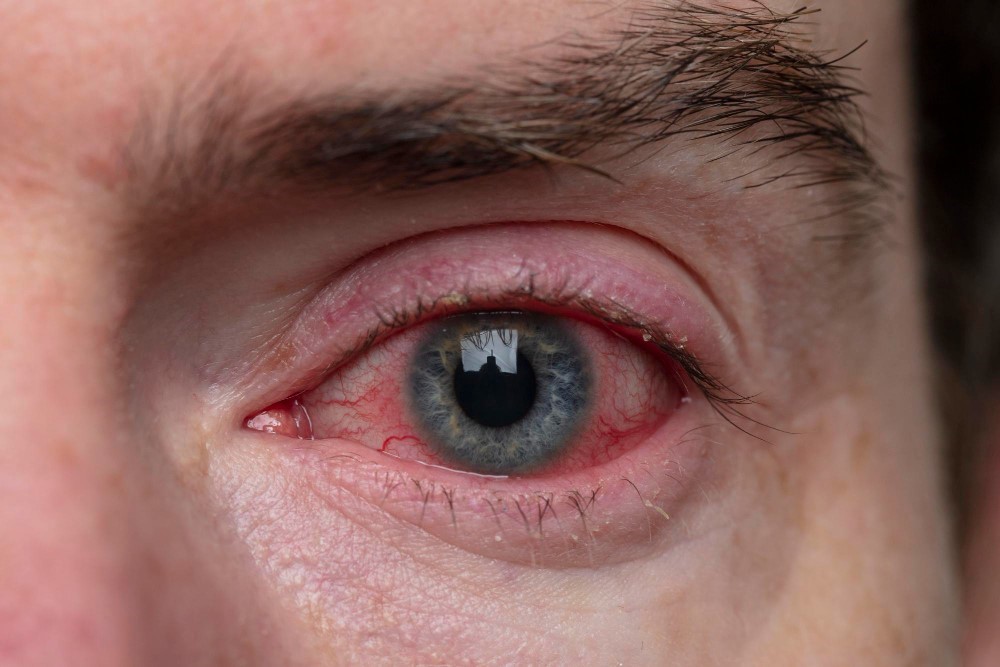
The symptoms of allergic conjunctivitis can be quite bothersome. They include itchiness, which often makes you want to rub your eyes—a big no-no. Rubbing can worsen the irritation. Redness is another symptom, which makes you look like you’ve been crying for hours. Watery eyes are typical too, with constant tears sometimes making it hard to see clearly. You might also feel a gritty sensation, as if there’s sand in your eyes, which isn’t pleasant.
By recognizing these symptoms, you can better identify allergic conjunctivitis and separate it from other eye conditions like pink eye, which is often caused by an infection instead of an allergy.
Proactive Measures: Prevention and Lifestyle Modifications
Preventing allergic conjunctivitis begins at home. Here are some simple steps:
- Regular cleaning: Dust common areas often, focusing on places that gather allergens, like carpets and curtains.
- Use air purifiers: These help remove allergens such as dust and pollen from the air in your home.
- Monitor air quality: Checking the forecast can help you know when pollen counts are high, so you can stay indoors.
When venturing outside, there are ways to protect yourself:
- Wear sunglasses: They shield your eyes from pollen and other outdoor allergens.
- Avoid peak pollen times: Early mornings and windy days are when pollen counts are usually higher, so plan activities accordingly.
Lifestyle changes are another key to allergic conjunctivitis prevention:
- Diet plays a role because certain foods can help reduce inflammation. Consider incorporating omega-3 fatty acids, found in fish and flaxseeds, which are known to benefit eye health.
- Personal hygiene is crucial; regularly wash your hands and avoid touching your face, especially your eyes.
- Keep pets out of your bedroom to reduce exposure to pet dander.
By making these modifications, you can lower the risk of experiencing uncomfortable symptoms, helping maintain both comfort and eye health.
Navigating Treatment Options and Addressing Misconceptions
There are a few myths about allergic conjunctivitis. It’s important to know that allergies aren’t infections; they don’t spread from person to person. Misunderstandings can lead to unnecessary worries or wrong treatments.
For allergic conjunctivitis relief, over-the-counter allergic conjunctivitis drops might be your first stop. These can soothe symptoms by reducing itchiness and redness. Drops that contain antihistamines work well by stopping the allergic reaction in its tracks. In some cases, more specific allergic conjunctivitis medication might be necessary. In these situations, consulting an eye specialist is advised.
When symptoms persist or seem severe, seeking professional guidance is crucial. An ophthalmologist can provide an accurate allergic conjunctivitis diagnosis and tailor treatment options to your needs, ranging from allergic conjunctivitis remedies to prescription-grade allergic conjunctivitis treatment.
To sum up, understanding allergic conjunctivitis equips you with the knowledge needed to stay proactive about your eye health. Always check reliable sources and consult professionals if symptoms don’t improve. Staying informed ensures your eyes remain clear and comfortable, even when allergens are swirling around you.