
What Are Eye Floaters? Understanding the Basics
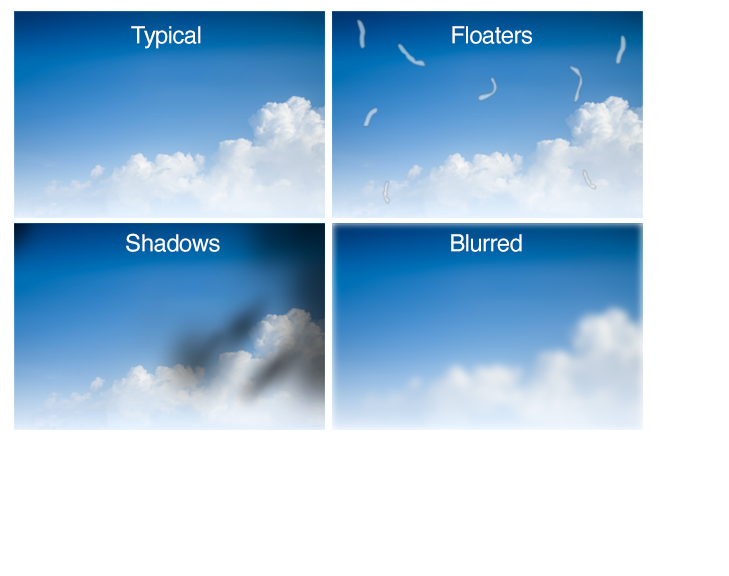
Eye floaters are like tiny specks or cobwebs that float around in your field of vision. They are most noticeable when you look at something bright, like the clear sky or a white wall. But what exactly causes these floaters?
Inside your eye, there is a gel-like substance called the vitreous humor. This gel fills up most of your eyeball, helping it keep its shape. As you age, the vitreous humor starts to shrink and pull away from the retina, which is the part at the back of your eye that senses light. This process creates small clumps or strands in the vitreous gel. These clumps create shadows on the retina, and it’s these shadows that are seen as floaters.
Understanding the relationship between the vitreous humor and the retina helps in realizing why eye floaters occur. They are a normal part of aging, but other factors can also play a role. Recognizing their appearance and causes is the first step in managing them.
Common Causes of Eye Floaters
Eye floaters primarily arise due to changes in the vitreous humor associated with aging. However, various other factors can lead to their creation or intensification:
- Age-Related Changes: As people grow older, it’s common for the vitreous to become more liquefied, causing more shadows and, subsequently, more floaters.
- Nearsightedness (Myopia): Individuals with nearsightedness tend to experience floaters more frequently. The shape and structure of a nearsighted eye may contribute to this occurrence.
- Eye Trauma or Injury: Physical impacts or injuries to your eyes can disturb the vitreous humor, leading to new floaters. Always wear protective gear when engaging in activities that might risk eye injury.
- Eye Inflammation: Conditions like posterior uveitis, which involves inflammation in the back of the eye, can stir up the vitreous humor and create floaters.
- Less Common Causes: Though less common, eye floaters can sometimes result from conditions like diabetic retinopathy and migraines. Both of these can alter the eye’s internal environment and lead to floaters.
By understanding these eye floaters causes, you’re able to determine when it’s normal and when it could be signaling something more serious.
When Are Eye Floaters Serious? Recognizing Warning Signs
While eye floaters are usually harmless, sometimes they can signal an underlying issue. It’s crucial to recognize symptoms that suggest seriousness:
- A sudden increase in floaters
- Flashes of light in your vision
- Partial vision loss or “a curtain” over your field of sight
These symptoms suggest that it’s time to visit an eye doctor. Such signs could lead to complications, like retinal detachment, a condition where the retina peels away from its underlying support tissue. Retinal detachment requires urgent medical attention.
Noticing these warning signs promptly and consulting an eye professional ensures your eye health remains intact and any conditions are caught early.
Diagnosing Eye Floaters: What to Expect at the Eye Doctor
When you pay a visit to the eye doctor for floaters, here’s what typically happens:
- Eye Exams: They will conduct a thorough eye exam, checking your sight and the condition of your eyes.
- Pupil Dilation: Doctors often dilate your pupils to take a better look at the vitreous and retina.
These steps help in identifying the root eye floater causes, such as possible retinal tears or other related issues, ensuring appropriate action is taken.
Available Treatments and Management Strategies
Treating eye floaters depends on the severity of the symptoms and how much they’re affecting your daily life. Here are some strategies:
- Watchful Waiting: For many, observation is enough. Often, floaters become less noticeable over time without treatment.
- Laser Treatment for Eye Floaters (Vitreolysis): This involves using lasers to break up large floaters, making them less noticeable.
- Surgical Removal (Vitrectomy): This is more invasive and involves removing the vitreous gel along with the floaters. It has its risks and benefits.
- Addressing Underlying Causes: If floaters result from inflammation, treating the root cause can help improve your symptoms.
Understanding when to consider these options, like laser treatment for eye floaters, helps manage this common eye condition effectively.
Keeping Eyes Healthy: Prevention Tips
To prevent eye floaters or minimize their impact, consider these tips:
- Manage Health Conditions: Conditions like diabetes or high blood pressure can impact your eye health. Keeping them under control is key.
- Regular Eye Exams: Routine check-ups can catch potential problems early, ensuring your vision remains clear and floaters are addressed promptly.
- Eye Protection: Using protective eyewear during activities that might cause injury keeps your eyes safe from trauma.
Following these tips ensures your eyes remain healthy and floaters become less of a worry.
Living With Eye Floaters: Tips for Daily Life
Coping with eye floaters involves simple daily strategies:
- Adjusting Lighting: Working in proper light can help reduce the visibility of floaters in your field of view.
- Route Attention: Focus on what you’re looking at instead of the floaters you might see drifting.
- Being Observant: Monitor any changes in symptoms and report new developments to your doctor.
These practices help manage floaters daily while ensuring you’re in control of your eye health.
Conclusion
Eye floaters are natural and common, but understanding them ensures you’re prepared for any changes. Keep an eye on your symptoms, maintain eye health with regular check-ups, and consult doctors when necessary. Prioritizing eye care is vital, so take charge today to keep your vision clear and strong.