
Understanding Astigmatism: Simple Explanation and Causes
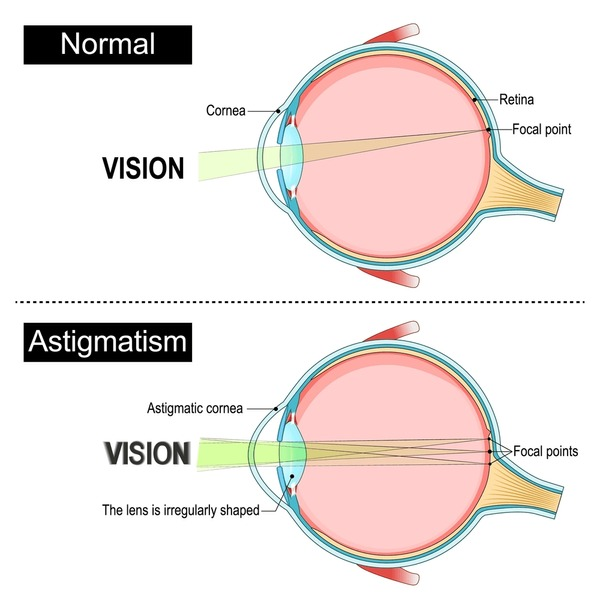
Astigmatism can sound complex, but it’s pretty simple. Think of your eye as a ball. Some people’s eyes are shaped like perfect spheres, like a soccer ball, which gives them clear vision. Others have eyes shaped more like a rugby ball, leading to astigmatism. In this shape, light doesn’t focus evenly on the retina, the light-sensitive part at the back of the eye.
Knowing about astigmatism helps in spotting its signs early. Often people don’t realize their blurry vision or frequent headaches are due to this. Recognizing the cause is the first step in getting the right eye astigmatism treatment. If you frequently face such symptoms, understanding astigmatism can pave the way for finding solutions.
Common Symptoms of Astigmatism
People with astigmatism might notice a handful of symptoms in their daily lives. Here’s what you might experience:
- Blurry Vision: Objects might seem out of focus or distorted.
- Eyestrain: After reading or looking at a screen for long, you may feel discomfort.
- Headaches: Frequent headaches can result from constant eye strain.
Daily tasks can become challenging. Reading might require extra effort, and you might struggle with night driving because of poor vision in low light. Recognizing these symptoms can lead to timely eye astigmatism treatment and more comfortable living.
What Causes Astigmatism?
There are multiple reasons for astigmatism to develop. It’s partly genetic, meaning you could inherit it from your family. Some people are born with it, while others might develop it after an eye injury. Astigmatism can be regular, where the curvature is uniform, or irregular, where the curve has varying degrees across the cornea. Understanding these causes points you towards appropriate eye astigmatism treatment.
Effective Diagnosing of Astigmatism: At-home and Professional Methods
Regular eye check-ups are crucial for spotting astigmatism early. At home, simple tests with charts, available online, can hint at issues. However, visiting an eye specialist is vital. They use better tools to measure eye curvature and identify astigmatism accurately, guiding you to the best eye astigmatism treatment.
Eye Astigmatism Treatment Options
If diagnosed with astigmatism, there are numerous ways to correct it.
- Glasses: Simply prescribed lenses can correct the way light enters your eyes.
- Contact Lenses: Special toric lenses adjust the light curvature on your eye surface.
- Refractive Surgery: LASIK is a popular option but consider factors like accessibility and cost, especially in places like India.
Each method has its pros and cons. Discussing them with an ophthalmologist can help tailor the best eye astigmatism treatment plan for you.
Living with Astigmatism: Manage and Improve Your Vision
Managing astigmatism is about improving visual comfort every day. You can start by:
- Ensuring proper lighting while reading or working.
- Taking frequent breaks to reduce eyestrain, especially when using screens.
These small adjustments can significantly reduce symptoms. Remember, treatments are improved and accessible, aiming to offer clearer vision and a better quality of life.
Debunking Astigmatism Myths and Misconceptions
There are many myths about astigmatism. Some say it worsens with time or can be fully prevented, which isn’t always accurate. Understanding that astigmatism requires a professional evaluation rather than self-assessment is critical. Don’t rely on myths—knowing the facts is essential.
Conclusion & Encouragement for Regular Eye Exams
In conclusion, recognizing astigmatism is vital. Early detection and treatment improve life quality. Regular eye exams should be part of your health routine. They help in timely identification and correction, ensuring your vision remains sharp. Taking these steps will lead to better eyesight and an improved daily experience, reinforcing that caring for your vision is a worthwhile effort.