
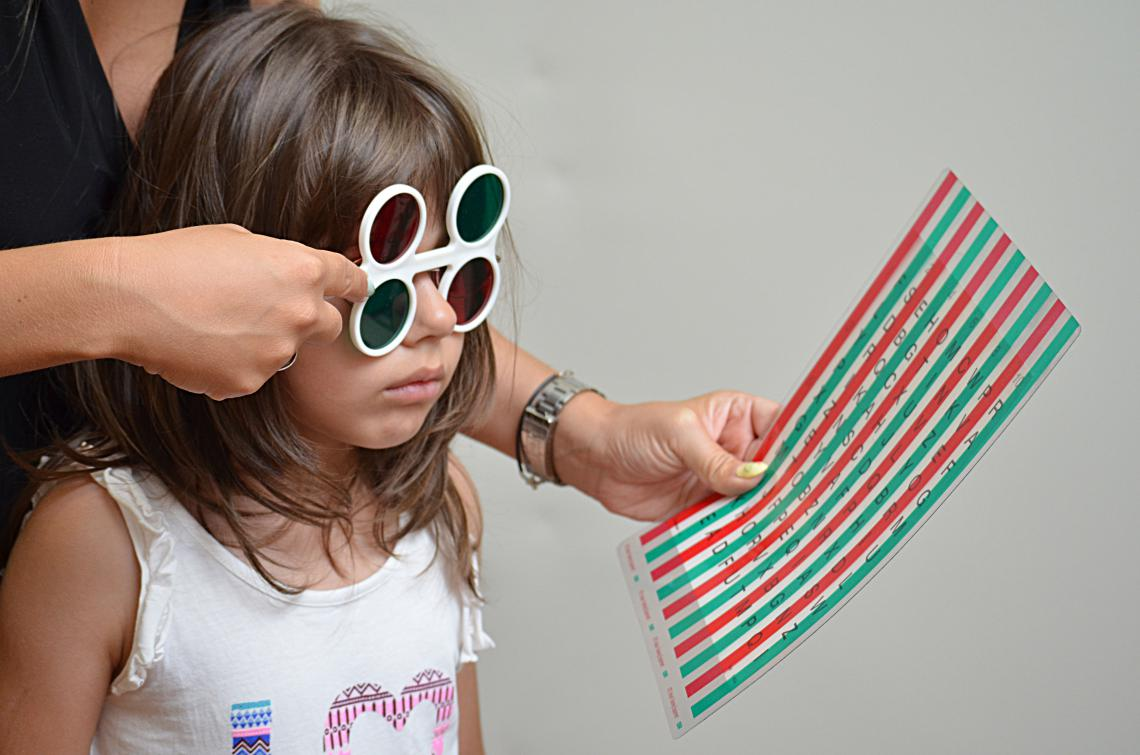
What is amblyopia? It might sound unfamiliar, yet it’s quite common. Sometimes called “lazy eye,” it’s a problem with vision in one or both eyes when the brain and eyes don’t work well together. It’s not just poor eyesight, but rather, a more complex issue of the eye and brain connection. Unlike short-sightedness or long-sightedness, amblyopia involves the brain favoring one eye over the other.
Detecting amblyopia in children early is crucial. If it goes unnoticed, it can affect a child’s vision long-term. The earlier we catch it, the better we can treat it, helping kids develop properly and avoiding future vision problems.
Understanding the Symptoms and Causes of Amblyopia
Spotting the symptoms of amblyopia early is key. Here’s what to watch for:
- Squinting: Kids might squint or close one eye when focusing.
- Head tilting: Tilting their head might help them see better.
- Poor depth perception: They might have trouble judging distances.
- Eyes that appear misaligned: They may not move together in sync.
- Difficulty in school: Trouble reading or seeing the board can be a sign.
The causes of amblyopia can be varied:
- Strabismus (eye misalignment): This is the most common cause. One eye might turn in or out, and the brain focuses on only one eye.
- Refractive errors: Differences in vision in each eye, like one being short-sighted, can lead to amblyopia.
- Deprivation: If something like a cataract blocks an eye’s vision early in life, it might cause amblyopia.
- Genetic factors: Family history can play a part.
- Environmental factors: Lack of visual stimulation in early childhood may contribute.
Understanding these causes helps in preventing amblyopia progression, highlighting the need for regular eye check-ups for kids, especially if there’s a family history of eye problems.
Exploring Effective Treatment Options for Amblyopia
Once diagnosed, several amblyopia treatment options can help. Here’s a look at what’s available:
- Eye Patching: A traditional method involves covering the stronger eye with a patch. This forces the weaker eye to work harder.
- Atropine Drops: Similar to patching, drops can blur vision in the better eye, prompting use of the weaker eye.
- Glasses: Correcting vision problems with glasses can eliminate the vision discrepancy causing amblyopia.
- Vision Therapy for Amblyopia: This involves exercises that train the brain and eyes to work better together. It’s tailored to each child’s needs and can include:
- Eye exercises to improve focus and coordination.
- Activities to enhance depth perception and binocular vision.
- Computer-based programs for visual skills.
Each treatment has its pros and cons:
- Patching can be uncomfortable and might make a child self-conscious, but it’s effective.
- Drops don’t affect appearance but might cause temporary blurred vision.
- Glasses are non-invasive but might not address severe cases alone.
- Vision therapy can be time-consuming but is comprehensive and promising.
In India, researchers are exploring advanced options. These innovations aim to make treatments less intrusive and more effective. New digital programs and tools offer hope for more customized, child-friendly solutions in the near future.
Supporting a Child Through Amblyopia Treatment: A Guide for Parents
Helping your child through amblyopia treatment involves more than just the right medical approach. Emotional support makes a big difference.
- Be encouraging: Let them know it’s okay to feel frustrated sometimes. Celebrate progress.
- Incorporate fun activities: Turn exercises into games to keep them engaged.
- Establish a routine: Consistency helps in sticking to the treatment plan.
Lifestyle changes and exercises can supplement medical treatment:
- Create a visually stimulating environment with puzzles and books.
- Encourage outdoor play to enhance depth perception naturally.
- Practice simple eye exercises at home regularly.
There are some misconceptions, like the idea that only kids get amblyopia. While mostly found in children, adults can experience it too, often due to untreated childhood amblyopia.
Ultimately, parental involvement is vital. You’re your child’s biggest ally in addressing amblyopia effectively. Understand their journey and be there every step of the way. If you’re wondering what is amblyopia, remember that early action and proper guidance can make all the difference.