Imagine life as a camera slowly losing its focus until everything becomes blurry and indistinct. This can happen due to glaucoma, a leading cause of blindness worldwide. Vision is so integral to our everyday activities, from reading a book to driving a car. That’s why early detection of glaucoma is critical for protecting that vision, safeguarding your independence, and maintaining a high quality of life.
Understanding Glaucoma: The “Silent Thief of Sight”
Glaucoma is a sneaky group of diseases that can harm your optic nerve—the crucial link between your eyes and brain. This damage often happens due to eye pressure that’s too high, creeping in without early signs. That’s why people call it the “silent thief of sight.” Everything can seem fine until it’s too late, and vision loss has progressed beyond repair. Many folks don’t notice they have it until later stages, making regular eye check-ups vital.
The Hidden Danger: Why Glaucoma Often Goes Undetected
Glaucoma doesn’t alert you with bells or whistles. It develops so quietly that it initially only nibbles at your side vision. This stealthy advance means many are clueless until the glaucoma symptoms are pronounced, often when significant damage has already been done. In its early stages, your central vision—the area we focus on—is not affected, keeping you unaware as it silently progresses. Without regular eye checks, this serious condition can easily go unnoticed, leading to irreversible vision loss.
Identifying At-Risk Groups
Certain groups are more prone to glaucoma. Aging plays a significant role; those over 60 should be more cautious. Family history can also be a tell-tale sign: if it runs in your family, your risk is higher. Ethnic background matters too; African Americans and Hispanics face a greater risk. Other factors include: – High eye pressure – Previous eye injuries – Underlying health problems like diabetes
Understanding these risks helps in adopting effective glaucoma prevention tips.
How Is Glaucoma Detected Early?
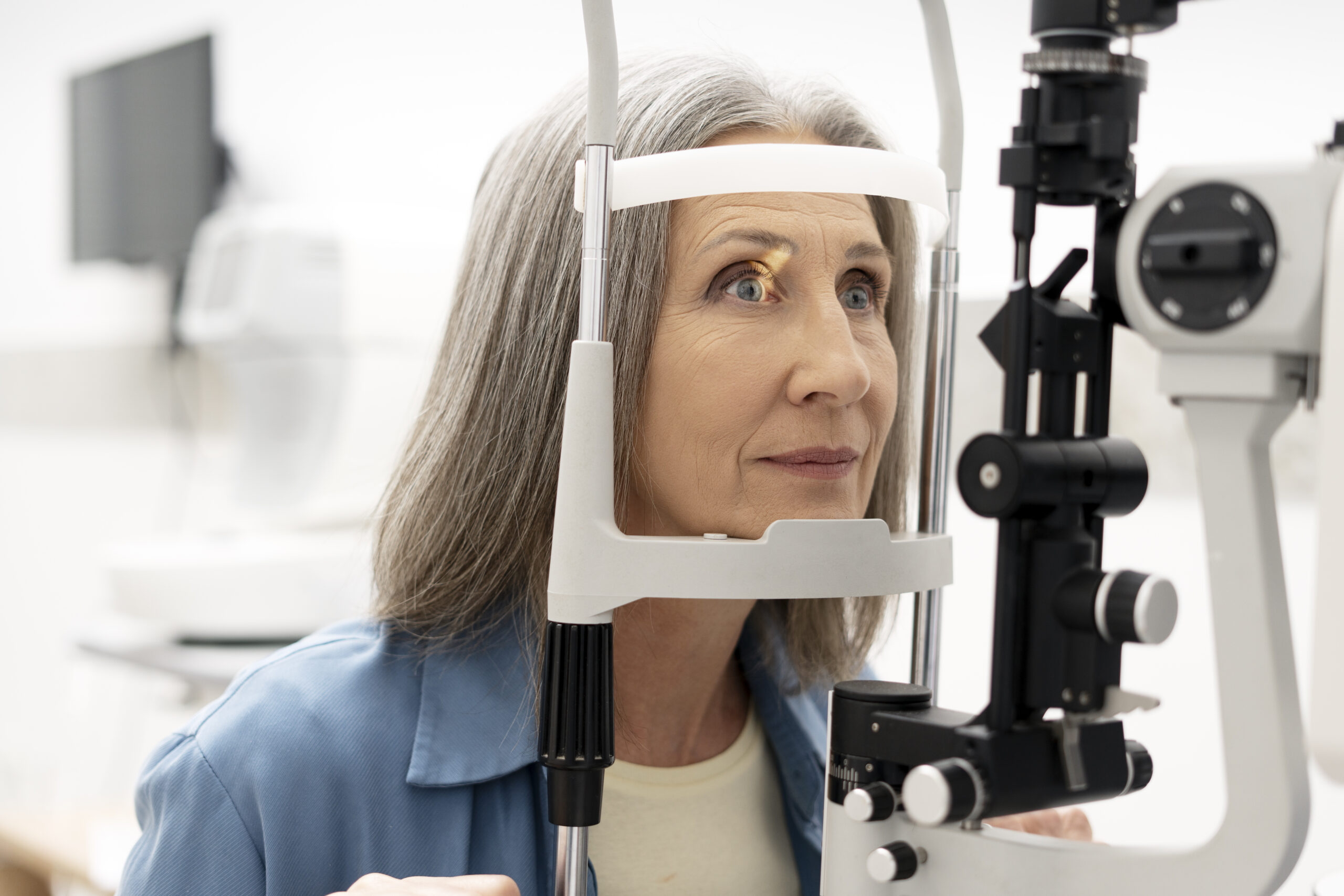
Detecting glaucoma early involves routine, comprehensive eye exams. These exams are crucial and usually start with measuring your eye pressure, a key indicator. Checking the health of your optic nerve through dilation comes next, where doctors get a closer look at the nerve. Visual field testing is another critical assessment, testing what you can see out of the corners of your eyes. These tests aren’t just for those with warning signs. Everyone should follow these guidelines: – If you’re over 60, get a yearly exam. – For those with family history or other risks, start even earlier and go more often.
Following these steps can help in early glaucoma detection and prevention of severe damage.
Advantages of Early Glaucoma Detection
Detecting glaucoma early offers avenues for early glaucoma treatment options. Treatment can effectively prevent further vision loss and preserve your sight. Being proactive in detection means you could maintain your current lifestyle, autonomy, and ability to do daily activities. Your quality of life remains intact, and you don’t have to face drastic life changes.
Consequences of Late Glaucoma Detection
Late detection of glaucoma leads to ongoing vision damage, which can eventually progress to complete sight loss. By the time obvious changes in vision occur, the damage is usually severe. It might mean living with glaucoma complications that could have otherwise been mitigated or prevented.
Taking Action: Measures to Protect Your Vision
Here’s what you can do to safeguard your sight: – Schedule regular eye exams, especially if you are in a high-risk group like the elderly or those with prior eye pressure issues. – Discuss glaucoma risks with your family, understanding your hereditary background. – Stay alert for small changes in vision and contact an eye doctor if anything unusual comes up.
These are not just glaucoma prevention tips but essential steps to keep your vision healthy.
Stories of Hope: Triumph Over Glaucoma Through Early Detection
There are many inspiring stories where early detection has been key to maintaining vision. People have caught glaucoma in children early, ensuring kids have a bright future. Community support and learning empower families to make smart health decisions that keep their eyes healthy.
Conclusion: Be Proactive, Save Your Vision
In conclusion, catching glaucoma early is essential for preserving your vision and lifestyle. Don’t wait for glaucoma symptoms to show; take charge now. Regular exams can mean the difference between seeing and not seeing. Schedule an eye exam today and protect tomorrow’s vision.